


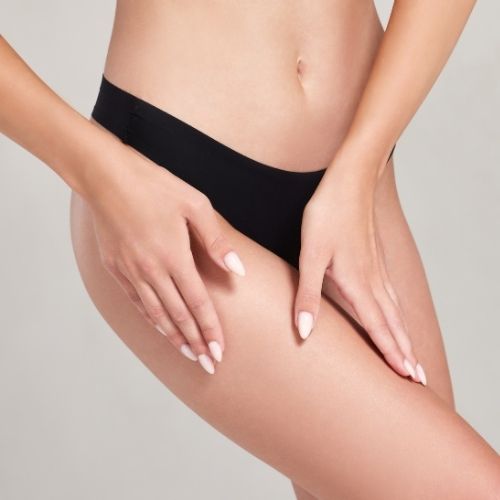
It can be easy to mistake lipedema for regular weight gain, though it behaves differently and can cause pain, swelling, bruising, and mobility challenges over time. Dr. Ali R. Abtahi at Amor Propio Aesthetic Surgery offers lipedema treatment in Southlake and the Dallas-Fort Worth area with personalized care for women who need an accurate diagnosis and a treatment plan. Body changes, specifically in the legs and arms, that don’t respond to diet or exercise may be early signs to seek a lipedema evaluation.
Lipedema vs. Weight Gain: What’s the difference?
Lipedema is different from ordinary weight gain because it involves abnormal, symmetrical fat accumulation that most often affects the legs, thighs, hips, buttocks, and sometimes the arms. Regular weight gain can occur throughout the body and may improve with changes to calorie intake, exercise, or weight-loss efforts. Lipedema fat is more resistant to diet and exercise and is often painful or tender.
Key differences may include:
- Lipedema usually affects both sides of the body evenly
- Lipedema often spares the feet and hands
- Lipedema fat can feel tender or painful
- Regular weight gain is usually less painful
- Lipedema may worsen during hormonal changes
Lipedema can also be confused with lymphedema, but the two conditions are not the same. Lipedema is a fat tissue disorder, while lymphedema involves lymph fluid buildup and may affect the feet or hands.
What Are Signs That You May Have Lipedema?
You may have lipedema when the lower body becomes noticeably larger than the upper body, especially when weight-loss efforts do not change the shape of the legs or thighs. These changes may begin or worsen around puberty, pregnancy, menopause, or other hormonal transitions. Family history can also play a role.
Early signs patients should not ignore include:
- Symmetrical enlargement of both legs
- Disproportionate fullness in the hips, thighs, or buttocks
- Fat that resists diet and exercise
- Feet that remain relatively unaffected
- A cuff-like appearance at the ankles
These signs can be subtle at first, especially when you are told the issue is only weight gain. A clinical evaluation can help determine whether the pattern, symptoms, and tissue changes match lipedema.
What Are Common Lipedema Symptoms?
Common lipedema symptoms often involve discomfort in the affected areas, not just visible changes in body shape. Your legs may feel heavy, swollen, tender, or painful, especially after standing for long periods. You may also bruise easily or notice that your skin texture becomes uneven as the condition progresses.
Common symptoms may include:
- Pain or tenderness in affected fat
- Easy bruising
- Swelling that worsens during the day
- Heaviness or reduced mobility
- Uneven, dimpled, nodular, or lumpy tissue texture
Lipedema symptoms can affect daily activities, exercise tolerance, clothing fit, sleep, and emotional well-being. Early recognition matters because untreated lipedema can progress and may eventually involve the lymphatic system.
What Is the Best Way to Treat Early Lipedema?
The best way to treat early lipedema is to begin with an accurate diagnosis and a personalized treatment plan. Conservative care can help manage symptoms, support lymphatic flow, reduce swelling, and improve mobility. While these steps may not remove lipedema fat, they can help patients feel more comfortable and slow worsening symptoms.
Early lipedema treatment may include:
- Compression therapy
- Manual lymphatic drainage
- Low-impact exercise such as walking, swimming, or cycling
- Anti-inflammatory nutrition guidance
- Healthy weight maintenance and symptom monitoring
For some patients, liposuction for lipedema may be recommended when conservative care is not enough. Dr. Abtahi uses advanced liposuction techniques tailored to your specific needs, aiming to remove excess fat deposits while minimizing tissue damage and supporting smoother recovery.
Schedule a Consultation for Lipedema Treatment with Dr. Abtahi Today
Dr. Abtahi brings extensive plastic and reconstructive surgery training, specialized lipedema and lymphedema experience, and personalized treatment planning to lipedema care in Southlake and Dallas-Fort Worth. Ready to explore lipedema evaluation and treatment in Southlake or the Dallas-Fort Worth area? Schedule a consultation with Dr. Abtahi today.